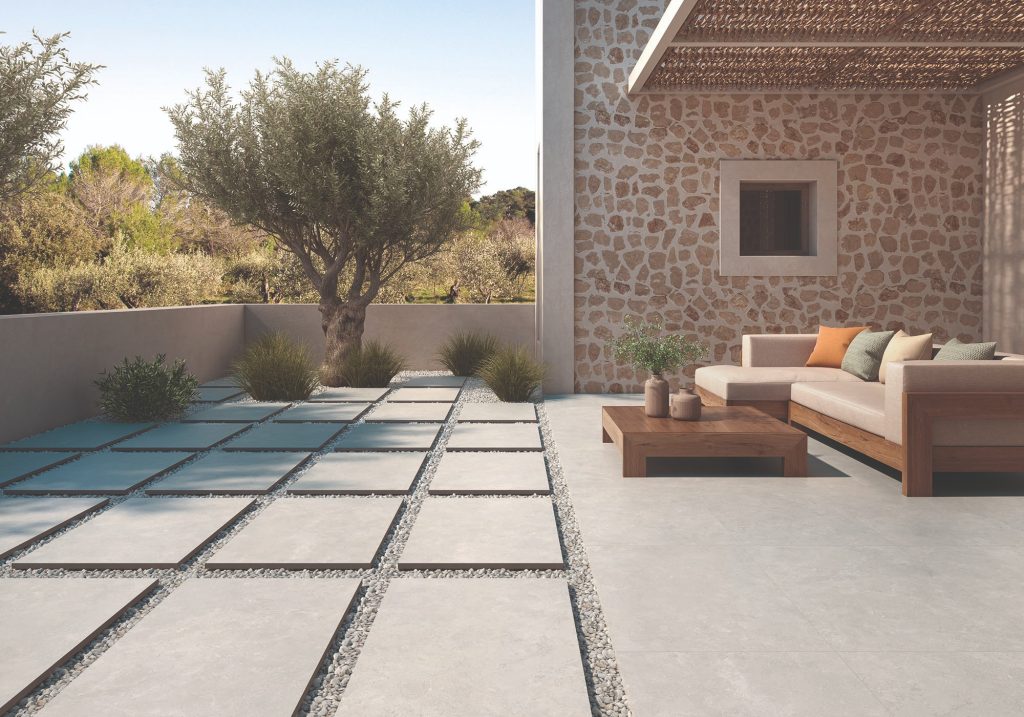
Why are Porcelain Garden Tiles Perfect for the Outdoors?
Porcelain garden tiles are made of a dense clay mixture that is fired at a high temperature, which leads to the creation of a hard, melted, and impervious material. The tile has low porositywhich means it has low water absorption, freezing, and is stain-resistant. These are the main outdoor tile finish challenges that can be easily solved when you use porcelain garden tiles. Research on building materials suggests that porcelain tiles, outdoor porcelain tiles, and concrete are the most durable materials. Porcelain tiles also have a great resistance to cracking during freezing, thawing and high foot traffic. Furthermore, porcelain garden tiles have amazing slip resistance, which is very important for securing outdoor tiles and patios, particularly in the rain. Numerous outdoor tile makers provide tiles that have been tested and rated R11 slip resistance or higher.
Innovations and Production Techniques
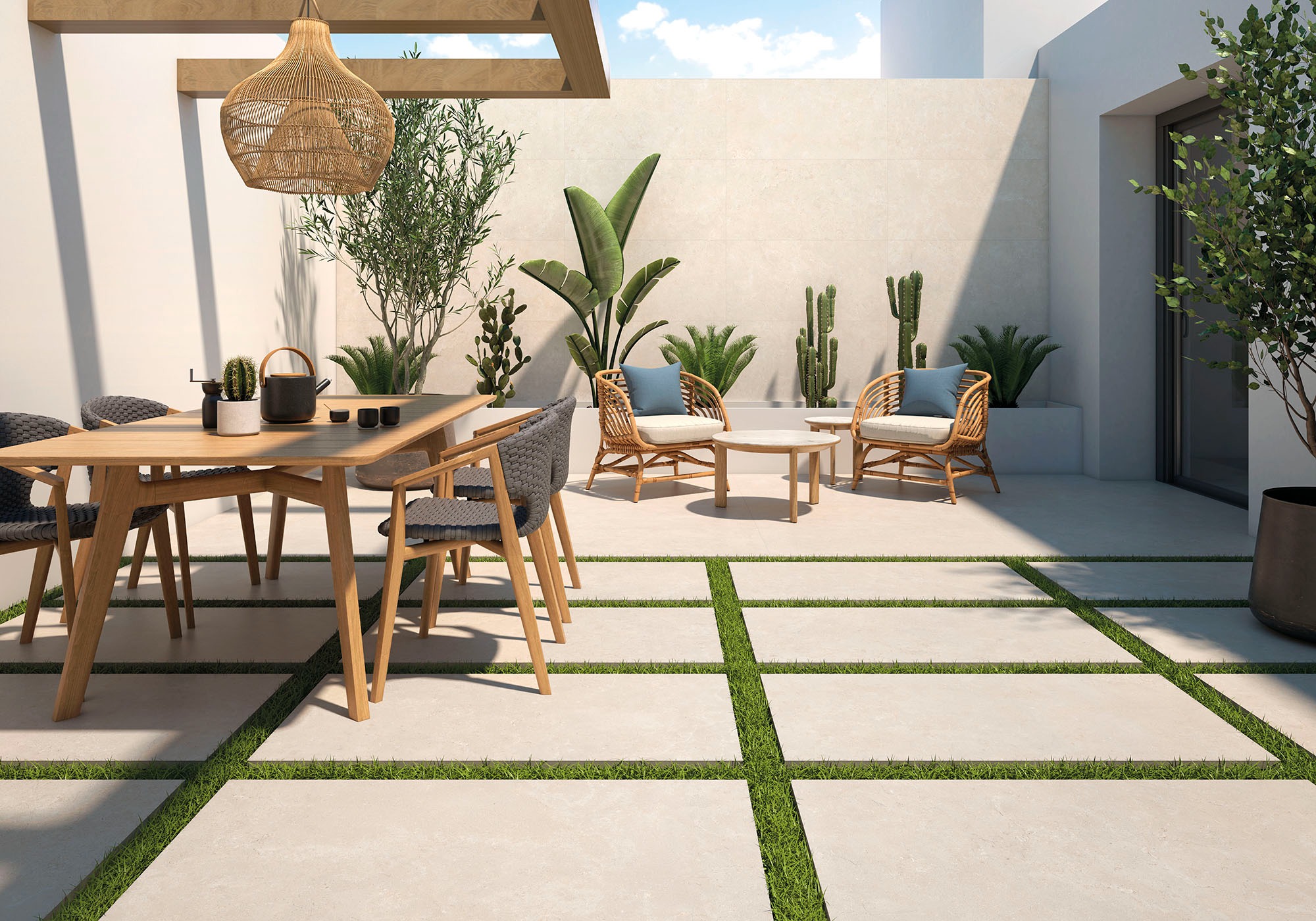
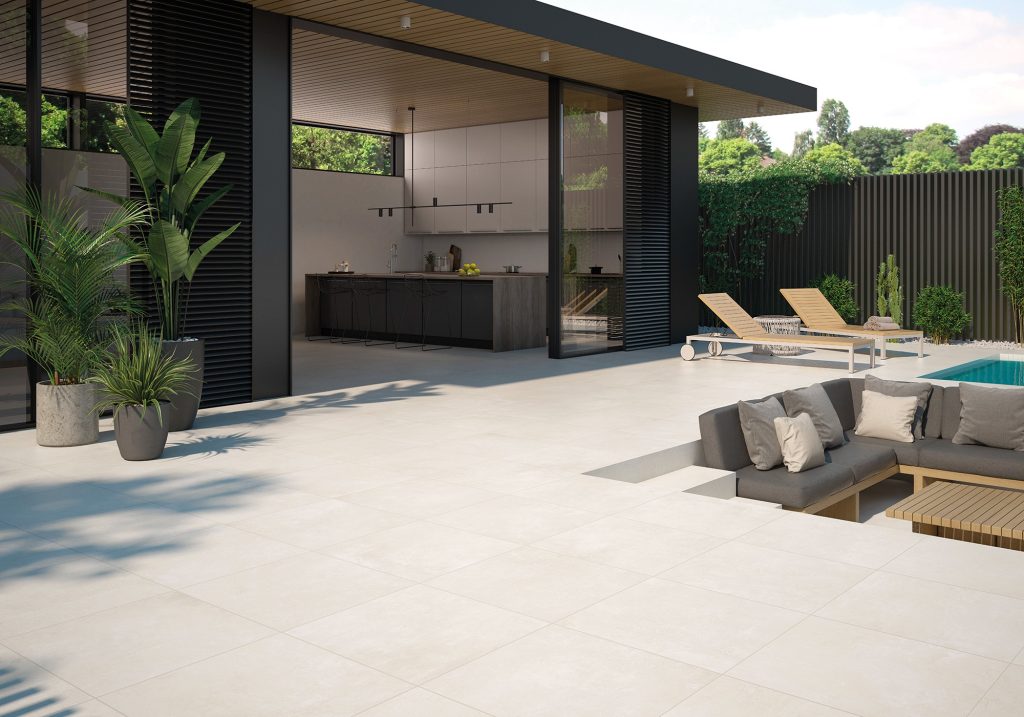
Just as with modular patio tiles, advances in engineered large-format porcelain garden tiles have provided design agility with minimal trade-offs in structural integrity. Digital printing provides a means to create designs that replace natural stones, slates, and wood with porcelain, which is more durable. Large format tiles are the greatest design innovation as they lessen the amount of grout lines. This provides the outdoor space with a more seamless look and creates the illusion of expanded outdoor space.
Outdoor Tiles: What to Consider
For porcelain garden tiles and patio tiles, looks is but a very small part of the overall value.
Thickness:
Outdoor tiles should, as a rule, be thicker than 20mm to 30mm as a result of the weight and pressure they need to support.
Slip Ratings:
Textured tiles are recommended but have a slip rating that is suitable for wet and outdoor uses.
Weather rating:
Low water absorption can prevent freeze-thaw effects on porcelain tiles, but be sure to check frost-proof rated tiles.
UV Resistance:
Tiles should be rated to maintain their vibrancy even with prolonged sun exposure.
Cleanliness:
Moss and algae are less likely to develop on porcelain surfaces because they are dense and easy to clean. Unlike porous materials, they do not trap dirt and moisture.
Color Focused Recommendations for Garden Porcelain Tiles
Current market trends on outdoor porcelain tiles focus on integrating modern design elements with nature. According to research, the following trends are popular:
Neutral Sophistication:
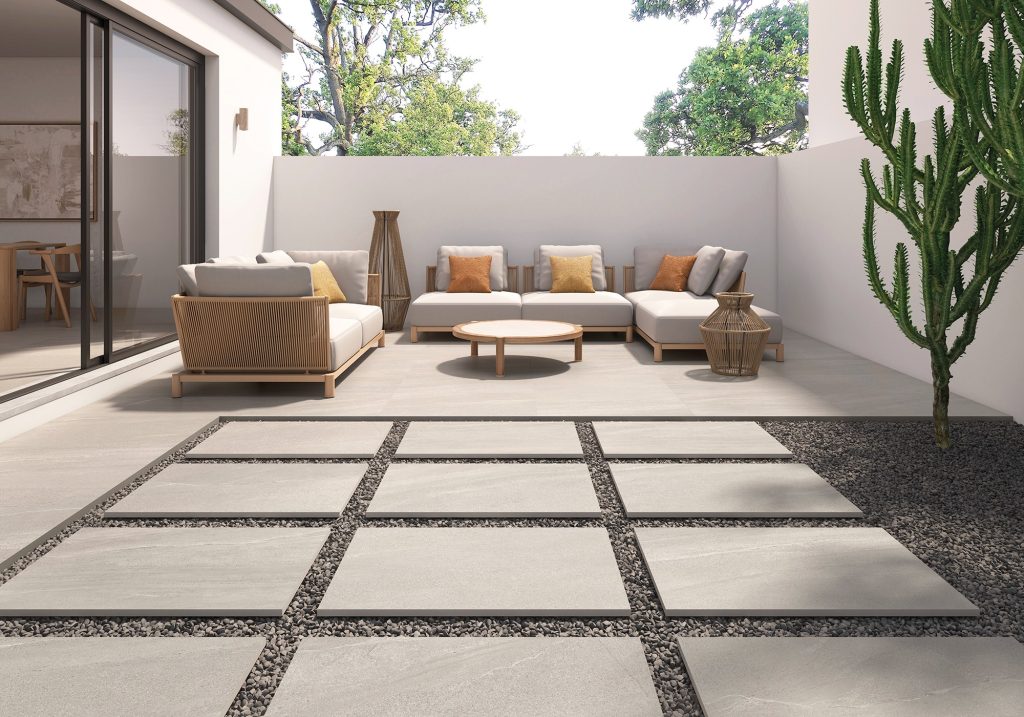
A most common one you can use is neutrals; it’s all over the design palette. Colors like expansive beiges, sandy colors, and warm greys are staples for versatile patios that blend beautifully with surroundings and outdoor furniture.
Natural Warmth:
The next ones you can use are deep brown, terracotta, and rusty colors are staples for patios that seamlessly integrate with rustic and Mediterranean garden themes.
Contemporary Coolness:
If you are someone who wants to experiment, then try out slate grey, charcoal, and matte black patio tiles are staples for modern minimalist garden design.
Vibrant Focus:
Tiles with faint patterns in black or dark green sustain artistic appeal while adding variation to the design.
Soft Focal Points:
If your interiors are soft, then you can also play around with co;or palette like light greens, muted blues, and blush pinks invite playful design elements and accents around patios.
Lifespan and Installation Tips
Construction experts’ best practices include:
- Use permeable, stable sub-bases to prevent shifting and pooling, which is essential to maximize the lifespan of porcelain tiles and patio tiles.
- Use products that are pH-neutral for cleaning to increase the lifespan of the porcelain tiles.
- You should also use professional cutting and leveling services when installing tiles to avoid long-term maintenance.
According to a study, outdoor materials need proper installation, care, and ongoing expert analysis to increase safety and avoid any damage. Even though porcelain garden tiles are expected to exceed 30 years of life, being cautious is the first thing homeowners should be.
Combining Porcelain Garden Tiles with Other Outdoor Design Elements
Leading landscape architects advise creating cohesion in outdoor spaces by:
- coordinating porcelain garden tiles with decking, planters, and lighting.
- Installing large-format porcelain slabs as patio tiles adjacent to wooden deck sections
- Creating a textural contrast while maintaining a unified design language.
Conclusion
For outdoor tiles, the best option is porcelain as it provides longevity, safety, and design options. Homeowners can also improve their house value by making the right construction decision using the right material. You can always consult experts from TileDemand when creating your indoor or outdoor space. They have a range of porcelain tiles, giving you the perfect blend of design and functionality