The Importance of Kitchen Wall Tiles
Kitchen wall tiles matter because they shield walls from moisture, grease, and other cooking area spills. You need to choose your wall tiles carefully so that it is easy to clean, durable, and give your kitchen high aesthetic value. Tiles with glazed finishes on kitchen walls significantly decrease bacterial growth compared to non-glazed painted surfaces, and contribute to healthier home environments.
How Kitchen Wall Tiles Work with Kitchen Floor Tiles?
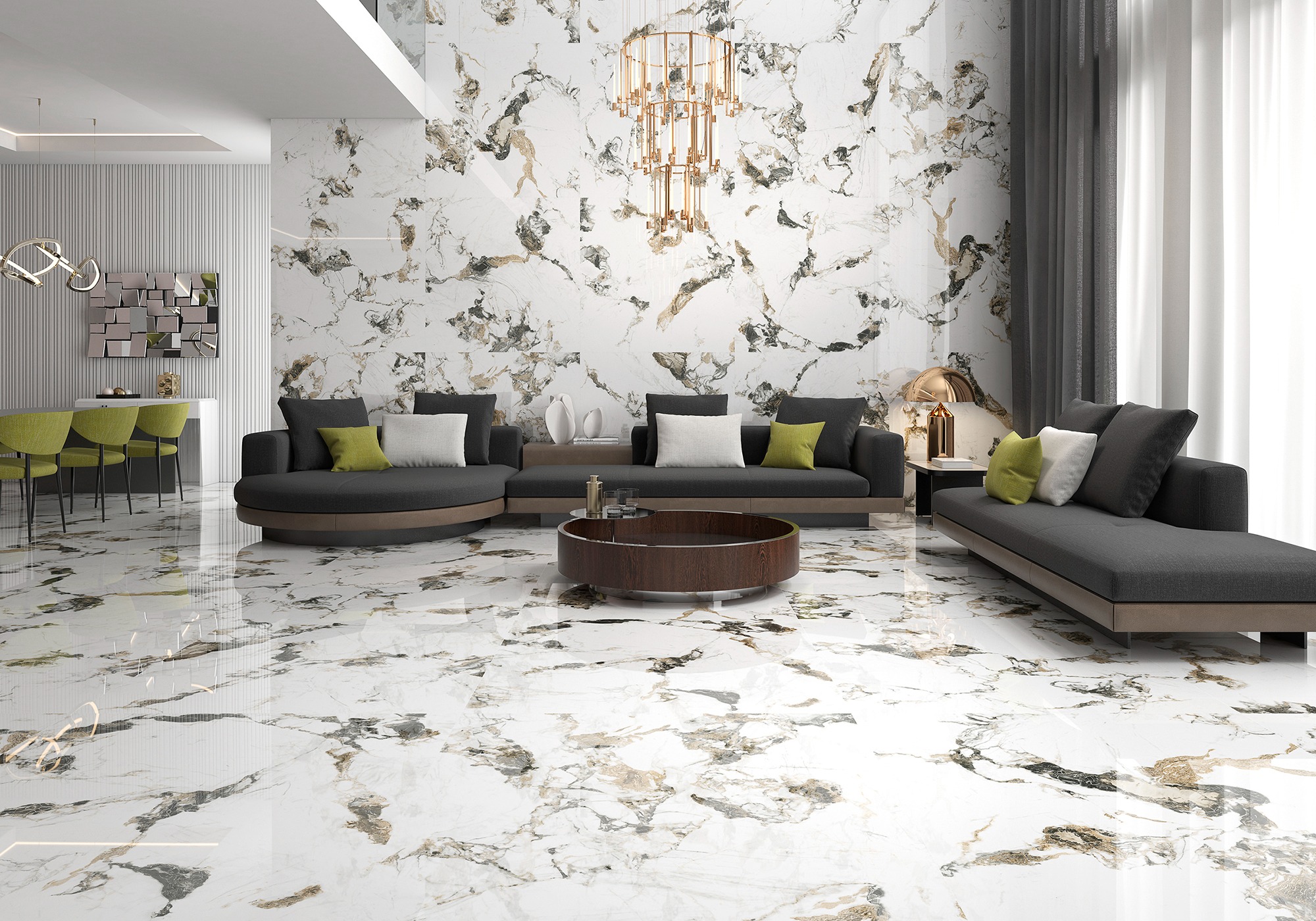
Achieving a balance between kitchen wall tiles and kitchen Floor Tiles is a primary concern within the design is a task for many experts. You can use coordinated tiles to increase the perceived value of the space for buyers. One recommended approach to achieve this is to pair patterned kitchen wall tiles with solid neutral floor tiles, or the other way around, to achieve a harmonious balance. Kitchen floor tiles are able to create additional interest within the space when the finishes are in juxtaposition with the countertop. A matte kitchen floor tile to a glossy kitchen wall tile will create a balance in texture and light reflection, improving the perception of space, ease of cleaning, and overall aesthetic.
Material Choices and Durability
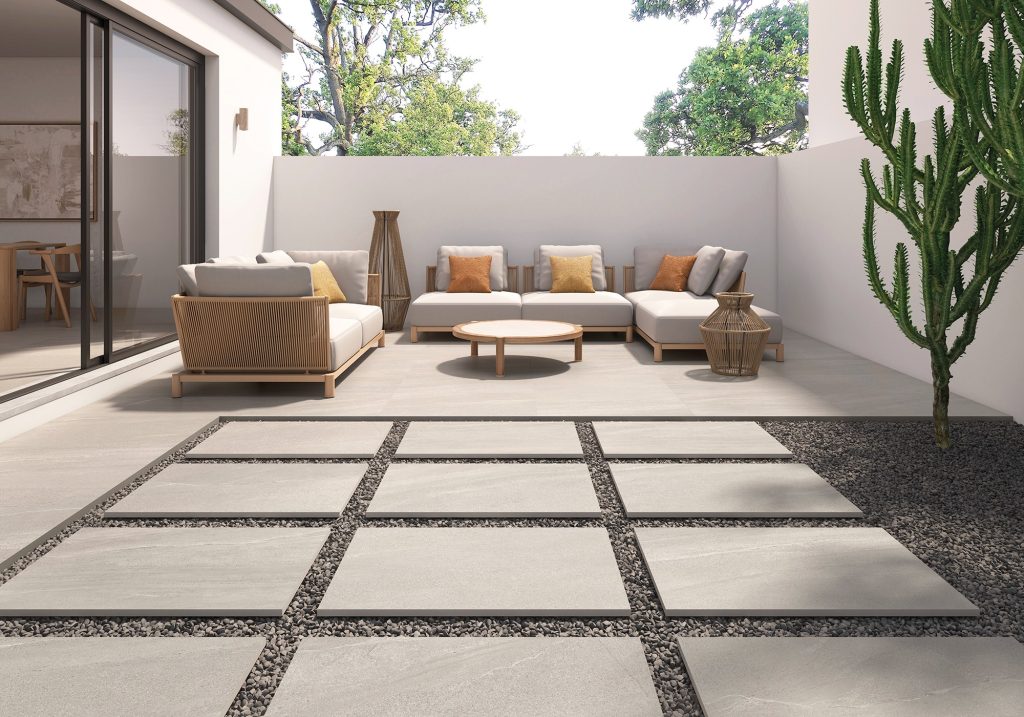
The most common materials you can choose from for kitchen wall tiles are porcelain and ceramic. Compared to ceramic, porcelain kitchen wall tiles are less porous and denser, which makes them stain and moisture-resistant. Moreover, their wear ratings are appropriate for both walls and floors. Although ceramic tiles do come in a wider range of colors and styles, tiles will need to be sealed more often when there is high traffic in kitchen areas. Construction materials literature states that porcelain kitchen wall tiles outperform ceramic in abrasion resistance and longevity. Under normal kitchen conditions, porcelain tiles can last more than 25 years. Kitchen wall tiles are usually aesthetically designed to match with kitchen floor tiles, which helps in creating a cohesive design. But always make sure your floor tiles do need higher PEI ratings to withstand the traffic as compared to the tiles for the walls.The thickness of living room porcelain slabs, and kitchen and bathroom tiles, can also be the same as your bathroom tiles. However, do remember that kitchens might require sturdier tiles, which can be 12mm or 20mm, to make sure tiles do not chip or crack when heavy objects like pots or pans are dropped on the floor.
Top Color Schemes for Kitchen Wall Tiles
Interior design professionals continue to recommend the same trending color schemes for kitchen wall tiles. These schemes incorporate modern touches to the kitchen while still maintaining a timeless design. Let’s work on some common ones to get an idea of how you can work with them.
Classic White and Subway Tiles:
You can opt for white kitchen wall tiles laid in subway patterns are bright and reflective, which helps small kitchens look more spacious and clean. This effect is even more pronounced when paired with natural wood-effect kitchen floor tiles.
Soft Neutrals:
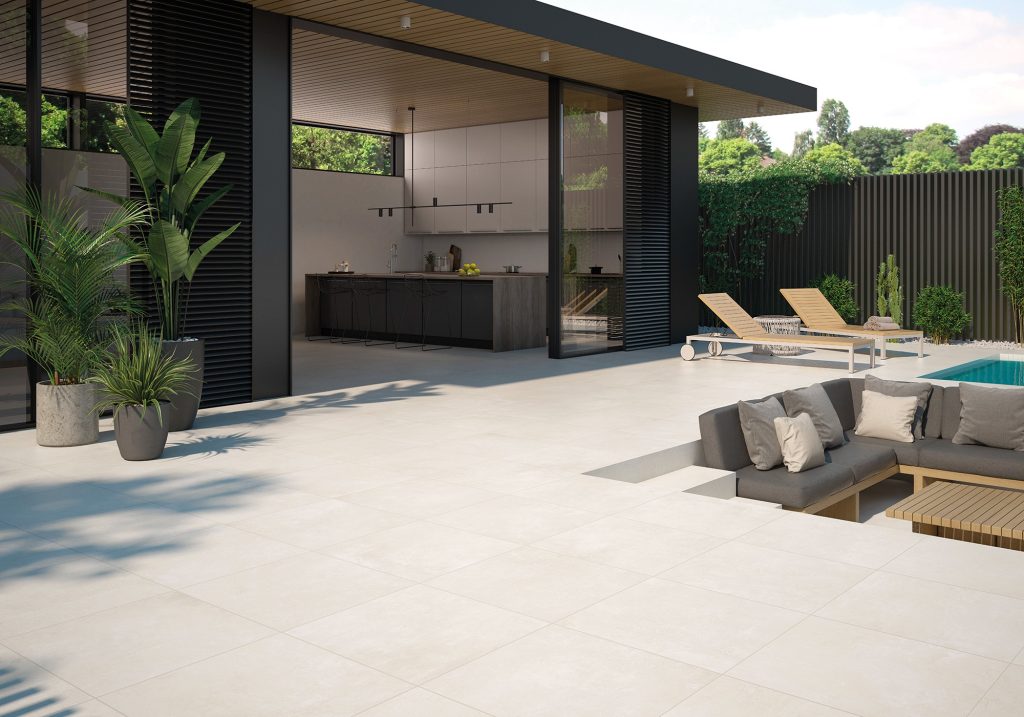
Another option is to use light greys, creams, and beiges provide calm alternatives. They can easily integrate and balance neutral cabinetry or quartz countertops to complement and even provide a calming ambiance.
Bold Accents:
If you are someone who likes getting dramatic and extravagant, you can work with deep blues, greens, and even black tiles as wall and accent borders. Your kitchen tiles can fit well with lighter shades and neutral floor tiles.
Textured Earth Tones:
Another most used color apart from neutrals is terracotta, taupe, and sand shades, with deeper and varied textures. creatiing a more inviting rustic or Mediterranean-inspired kitchen.
Pastel and Muted Shades:
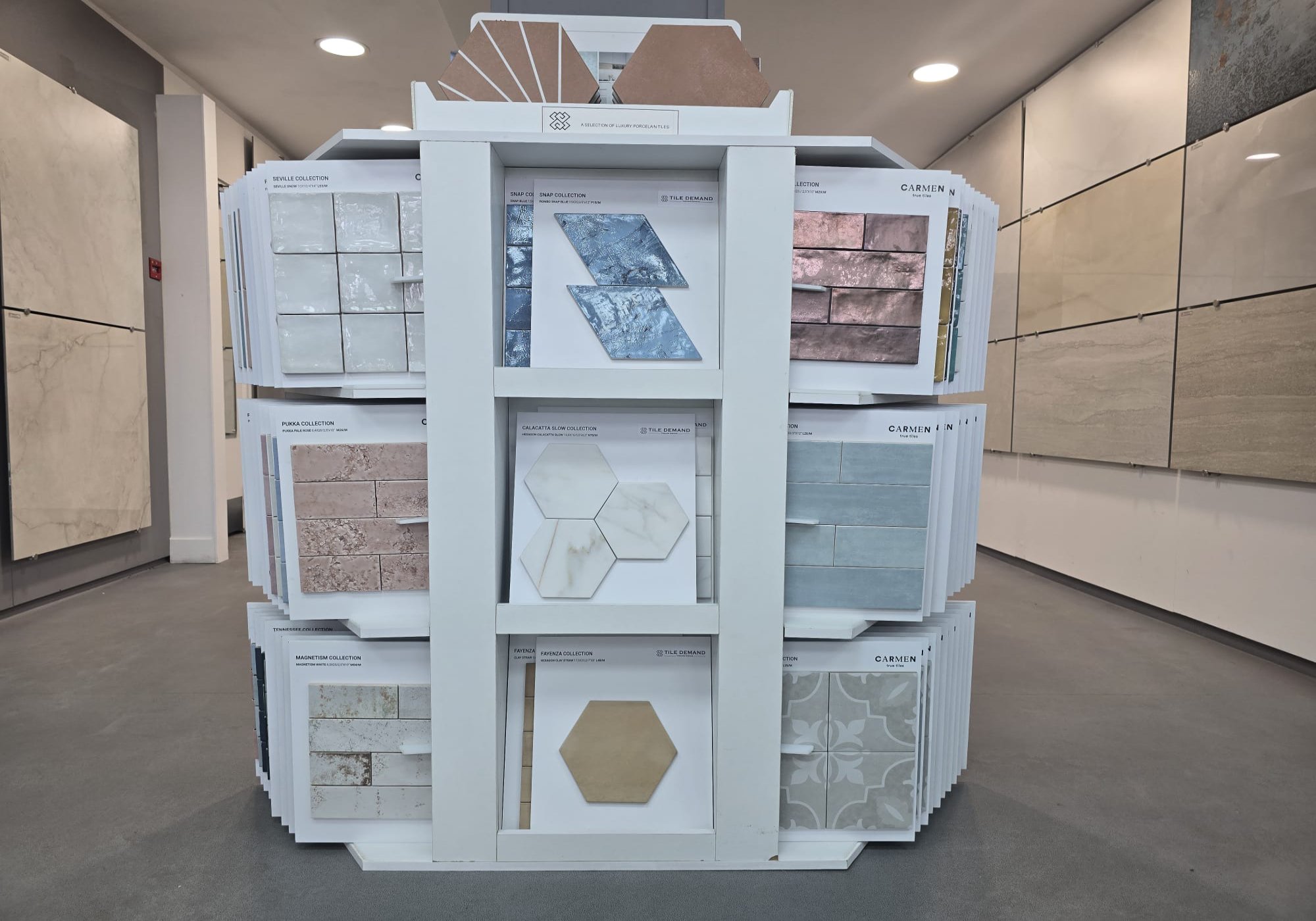
Next in the list are light shades of beige, blue, and pink, especially with greens, which deliver a more contemporary vintage touch, especially with classic white tiles on the kitchen floor.
Installation and Maintenance Considerations
Moisture protection, waterproofing, and sealed grout of tiles can be done by a specialist and professional installer. Tiles’ grout must incorporate well in shades so the floor and wall areas can work as a unified vision. Grout maintenance can be done with non-pulverizing and non-abrasive cleaning and glazed porcelain tiles. Market studies estimate there has been an increase in interest in wall tiles for kitchens for renovations of 8% a year. Tiles in coordinated sets are preferred during renovations for kitchen walls, with the desire for tiles visually sophisticated and have resale value. Unsurprisingly, people purchase glazed porcelain kitchen wall tiles for hygiene purposes, since they are wall tiles that are easy to clean and maintain.
Practical Design Tips For Your Kitchen Tiles
- For smaller kitchens, choose large-format kitchen wall tiles to reduce the amount of grout lines and achieve a less cluttered appearance.
- To form feature walls that do not overpower the kitchen, alternate between patterned and solid tiles.
- Use LED strips placed behind or above your kitchen wall tiles to highlight patterns and enhance your walls.
- For a seamless transition between spaces, match the tone of your kitchen floor tiles with the thickness and edge finish of your tiles.
This guide integrates the expertise of diverse professionals. This avoids common mistakes, such as selecting visually appealing kitchen tiles that do not withstand the test of time or are easy to maintain.
Conclusion
The selection of tiles for kitchen walls involves an assessment of the kitchen style wanted, the appropriate maintenance level, kitchen hygiene, and longevity. For all of these considerations, the kitchen wall tiles are best made of porcelain. You can select from an array of colors, from pure white to bright, eye-catching colors. Connect with TileDemand for further assistance and options.