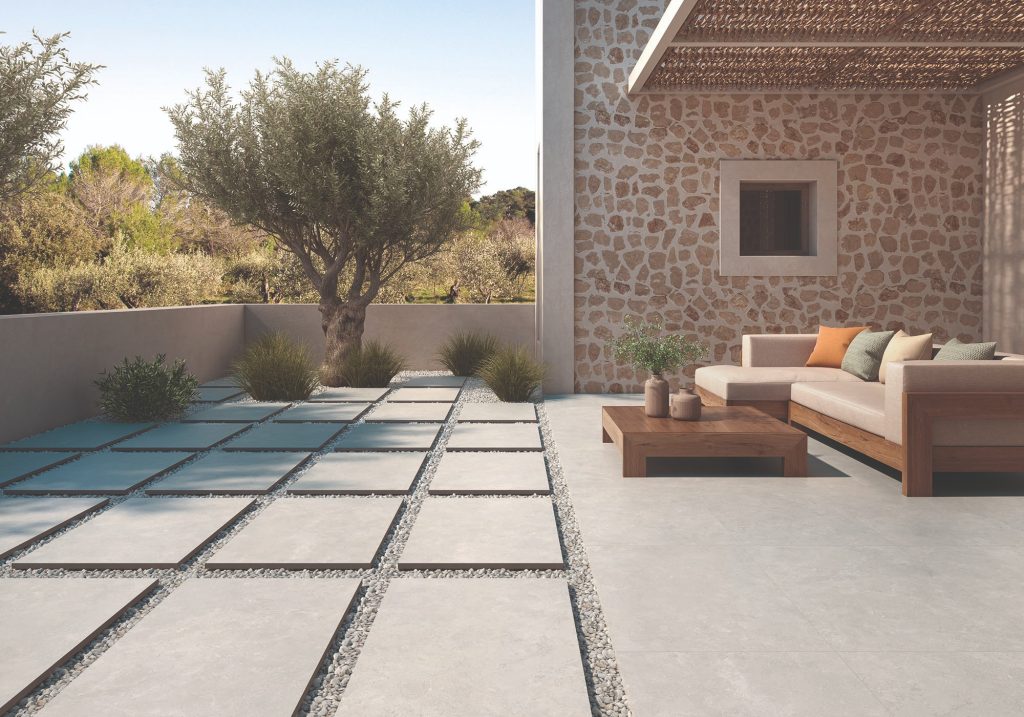
The Strategic Role of Indoor Tiles in Different Spaces
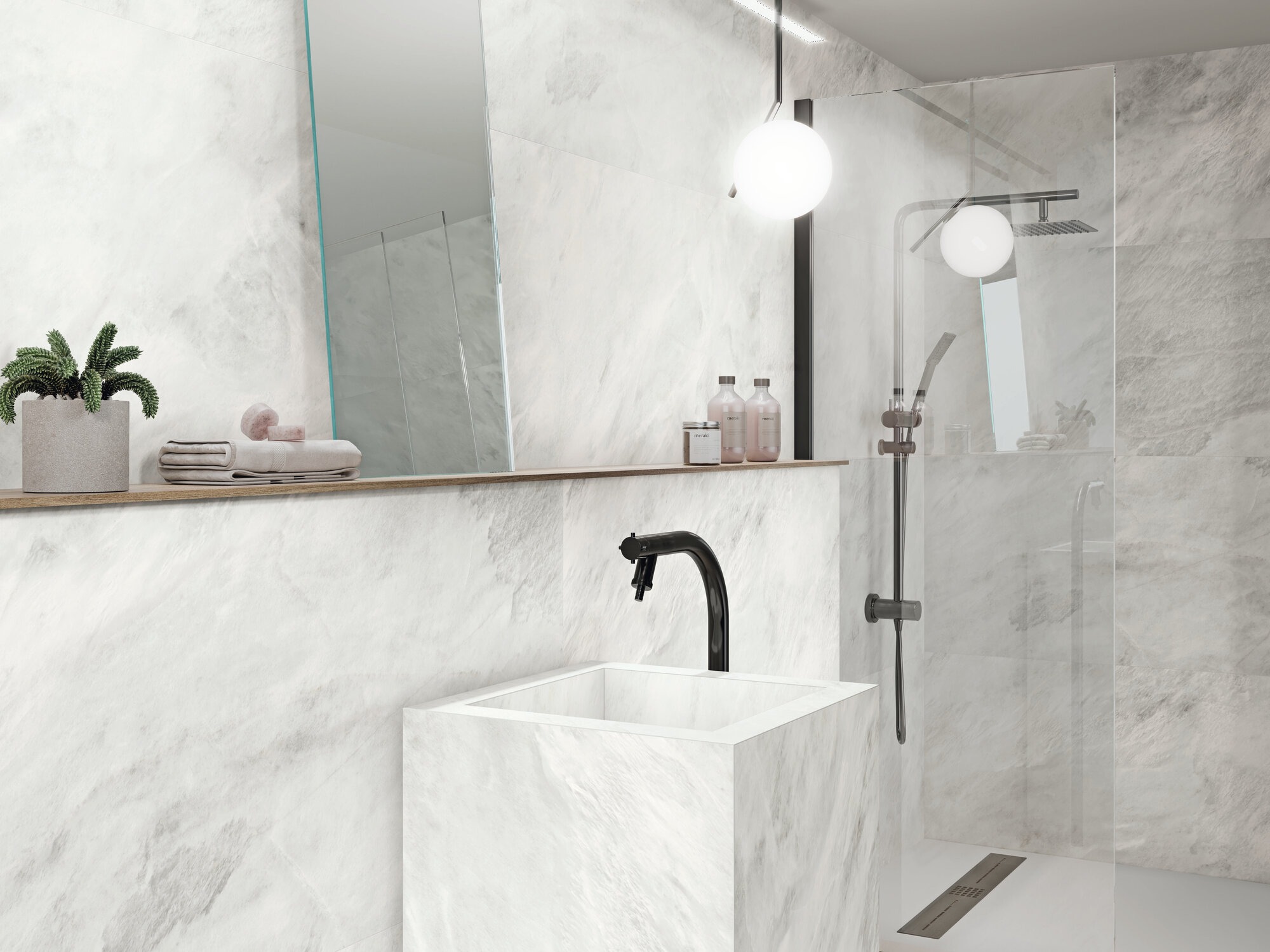
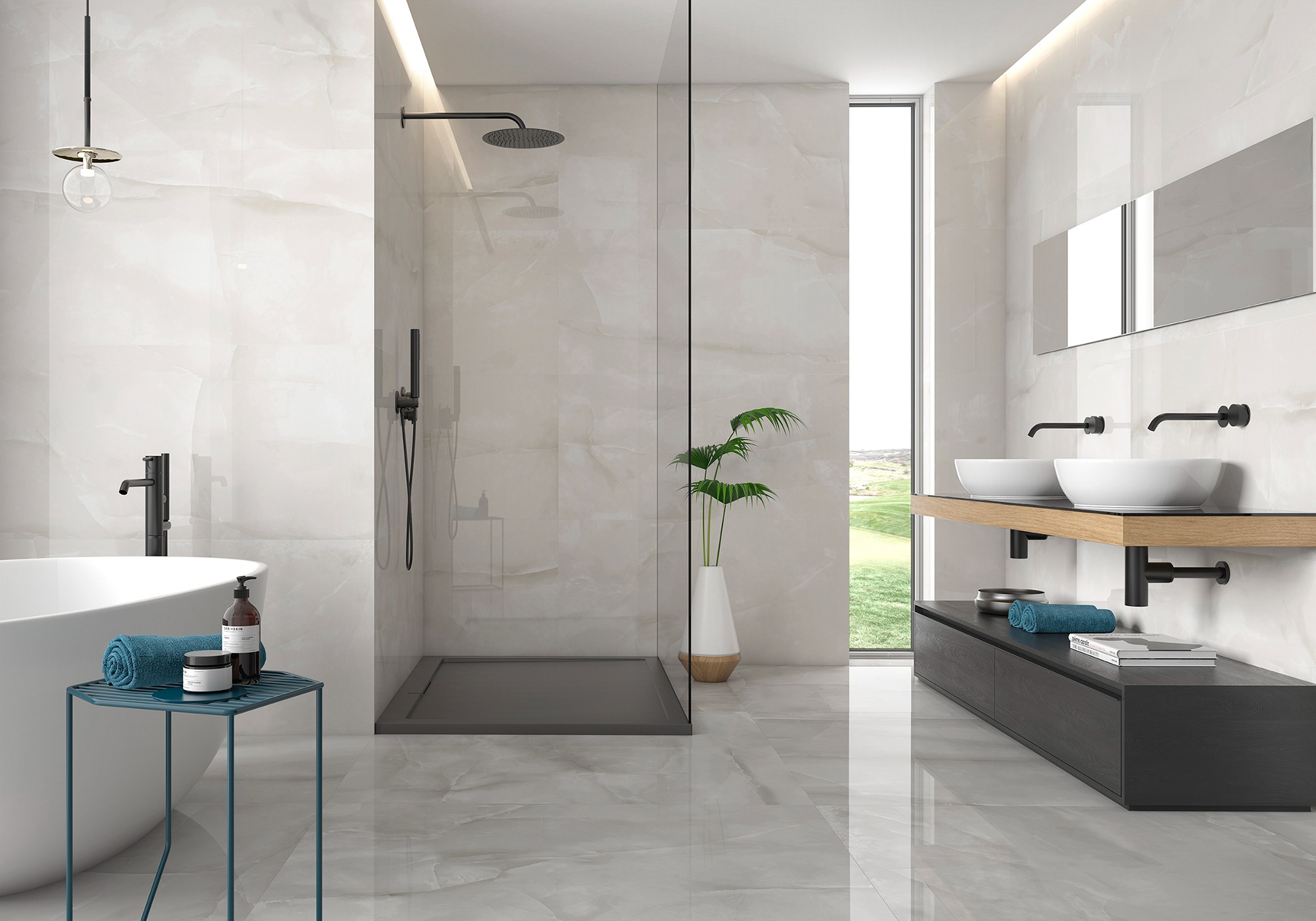
The indoor tiles are an expression of your own personality as it is the first impression when someone enters your place. Researchers report a 12% annual increase in consumer interest in indoor designs for transitional spaces and living rooms. It has also been reported that people want easy to clean options that are also aesthetically pleasing to the eye.
Indoor Tiles For Living Rooms.
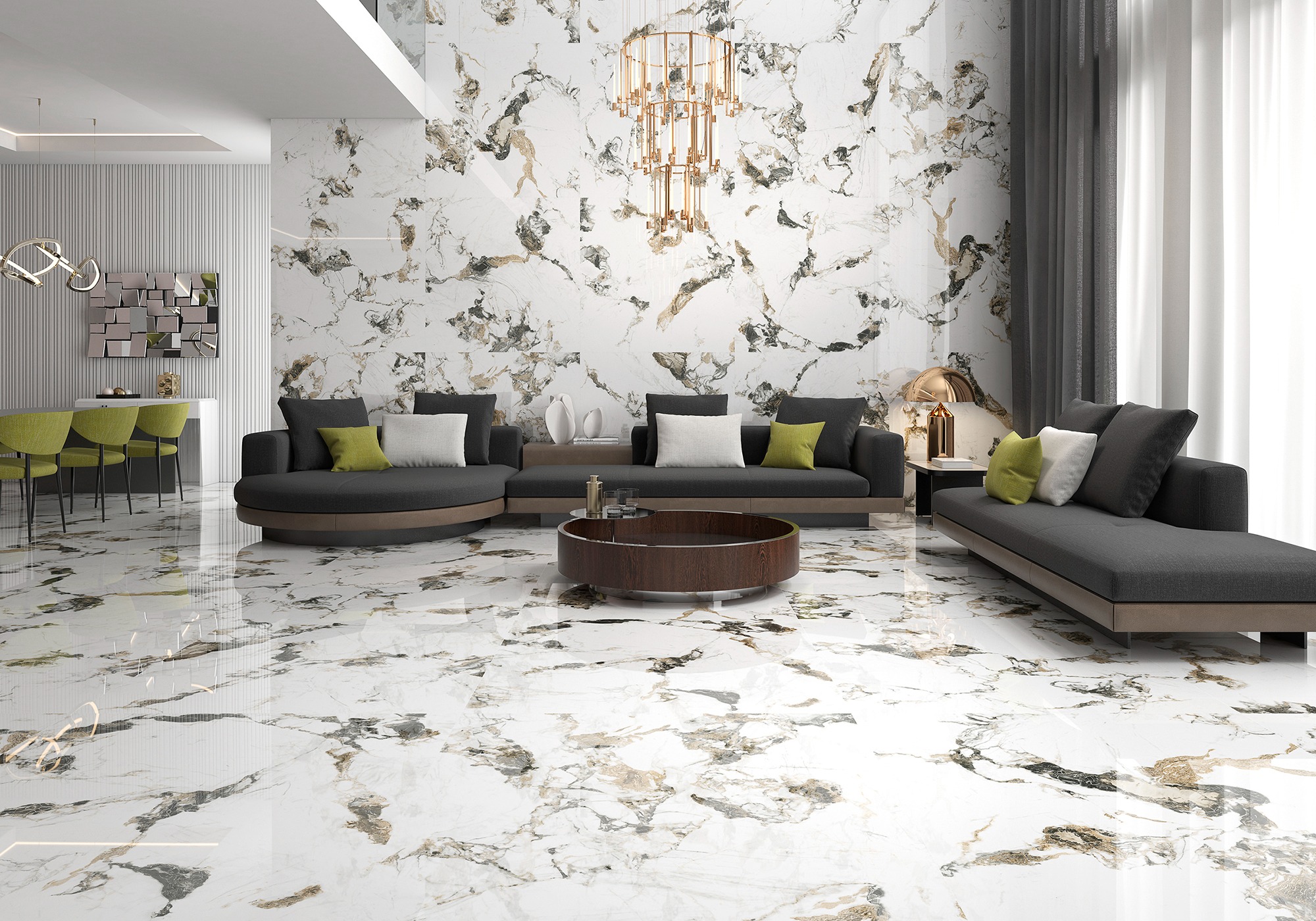
When choosing living room tiles take into focus durability with visual warmth since these are places where you , your family and friends hang out and is a social place. The best option is the porcelain tiles that dominate all the choices available in the UK market. Why is that becoming famous? It had the ability to resist scratches and had a vast range of options including wood effects and natural stones. Another study in material study in 2024 highlights porcelain tiles have longevity with PEI rating 4 which is best for moderate to high foot traffic. Along with foot traffic the aesthetic score is also high.
Color Scheme Trends For You Living Room
As we are starting off with 2026 there have been a lot of new schemes introduced for your living room which you can experiment with. A rule of thumb for color schemes is the 60-30-10 rule. The concept is to use 60% the main color which can be any of your choice but use something neutral like whites, greys or beige. You. Can go through the color palette online or ask a shop person to provide you with one. Moving to the 30% which is the secondary color providing contrast or depth to the room. Add in curtains, accent chairs and painted furniture. You can use a color that complements the dominant shade and should be used as half as the main color. Then comes the 10% which is the accent color like smaller pieces. You can use this color on your porcelain tiles too for a balanced look. To connect with the overall look, consider the below options for your floor tiles.
Neutral tiles
Go for neutral indoor tiles like the 60% you are using as your main color. It will create a timeless and versatile base. You can change your color scheme and decor anytime you want.
Color matched tile
If you want tile color to blend in well use it as a secondary color for your room
Contrasting tiles
Use a contrasting color if you are someone with a bold personality and like drama. For instance, add white floor tiles and black checkerboard designed tiles as your wall tiles. You can also use black and gold reflecting luxury. However keep in mind the space as darker colors make your area look small.
Hallway Tiles
Hallways indoor tiles need to be abrasion resistant because of frequent traffic and exposure to outdoor debris. It is best to use large format porcelain tiles with textured finish . Moreover, research also points to vinyl and laminate flooring can fail in longevity and maintenance ease as this was one of the material.commonly used in the past. Some hallway trends you can look into for inspiration are:
- Darks shades: Use grey, charcoal and earth tones as it is best when you want dust free areas.
- Patterned and checkboard: For visual interest and classic elegance, you can use patterns as it also gives a very busy look making the space look dust free and stain resistant.
- Use Earthy Tone: If you are someone who is obsessed with nature and meditates often, then go for some natural looks like blues and greens. It is easy on the eye and the mind.
Combination of Transition between Indoor Tiles and Outdoor Tiles
- The conservatory tiles are a unique straddle between indoor and outdoor environments, as the temperatures and environment between both are different yet connected.
- Porcelain indoor tiles are preferred as they resist UV fading, cracks from freeze-thaw, and moisture penetration.
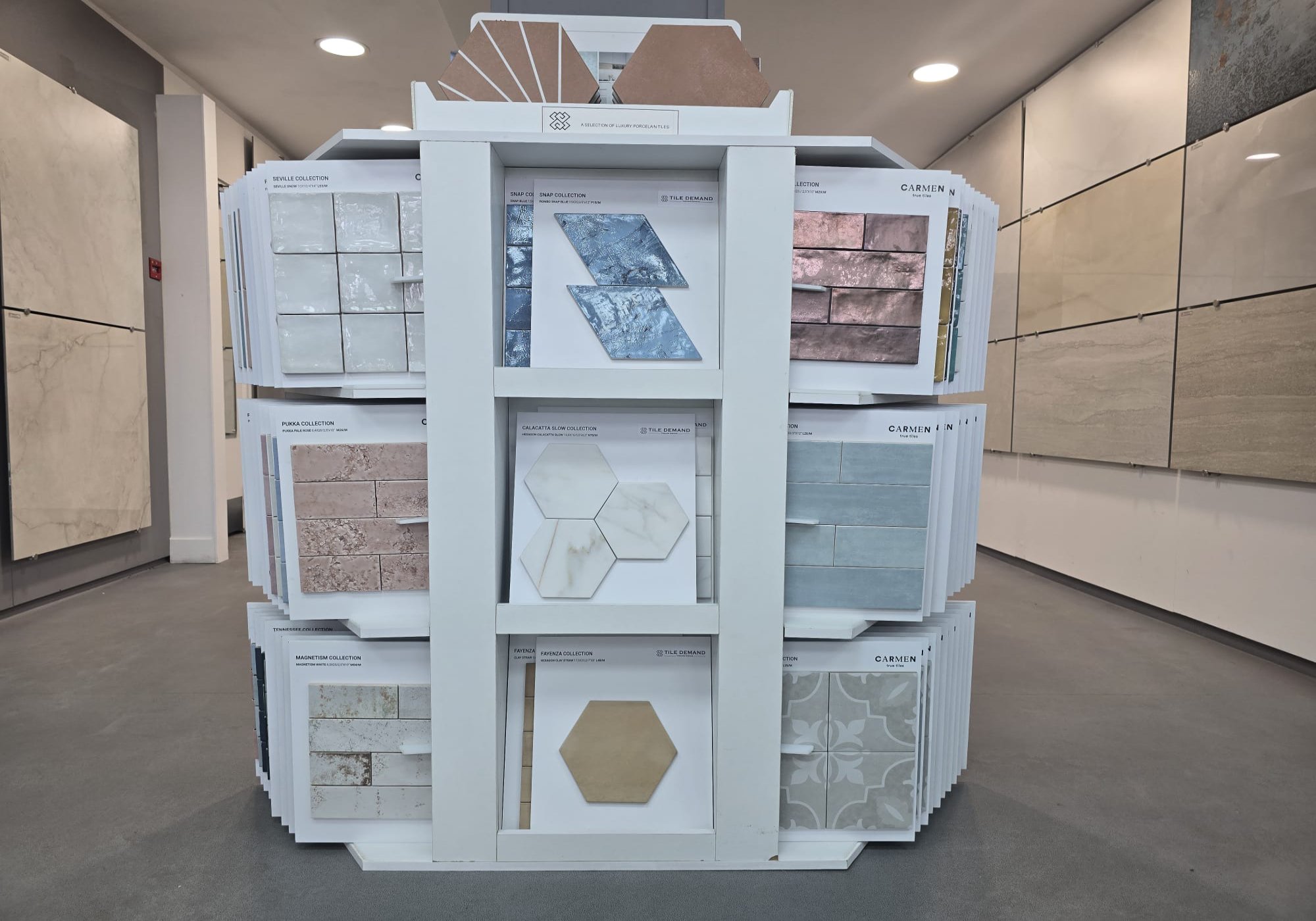
- TileDemand experts highlight wood-effect and patterned tiles as favorites, as they offer style retention and warmth under different weather conditions. Some popular color themes that many customers have been using are:
- Natural woods like the oak tones, driftwood with satin finishing, replicate the decking.
- Mediterranean patterns are another best-selling option, bringing the bright sunlit spaces and eclectic colors.
- Neutral slabs are also in demand with large-format simple tiles as they maximize the natural light flow.
Material Choices: What Science Says
A very common statement about indoor tiles is that they need to be versatile and durable. Why?
Because it is one of the most used areas in the house, families keep moving around with kids, and spend time in different spaces. A survey by the British flooring association shows that 68% homeowners want minimum maintenance, followed closely by style with 61%.
Especially for families, constant investment to maintain houses becomes impossible during inflation. Hence, when investing, they consider options that are practical and give them long-term benefits without damaging the overall house value.
Porcelain making 38% of the tile market has great potential with PEI (Porcelain Enamel Institute) ratings often exceeding III for residential applications.
Moreover, with the high-density vitrification process, the porosity is < 0.5% which decreases bacterial growth and staining.
Installation and Maintenance Tips for Homeowners
- Proper installation is crucial and involves subfloor preparation and moisture barriers, specifically in certain areas like conservatories.
- If you are with kids, please make sure that everything is expert-approved to avoid any accidents in the future.
- You need a grout selection expert as well to prevent any cracking or discoloration. Indoor tiles must also be sealed or glazed as per the manufacturer’s recommendations to enhance their lifespan.
- A routine maintenance practice is to sweep, damp mop with pH-neutral cleaners, and clean grout lines to avoid mold or mildew.
Conclusion
Indoor tiles for living rooms, conservatories, and hallways can be best assisted through guidance from experts. TileDemand suggests going through their expert assistance to avoid any problems and make homes durable and aesthetically appealing. A high recommendation from the experts is to use porcelain indoor tiles, as it is supported by scientific data and preferred by most people living in the UK.